
Designer’s Choice for the Top Design Trends in 2021
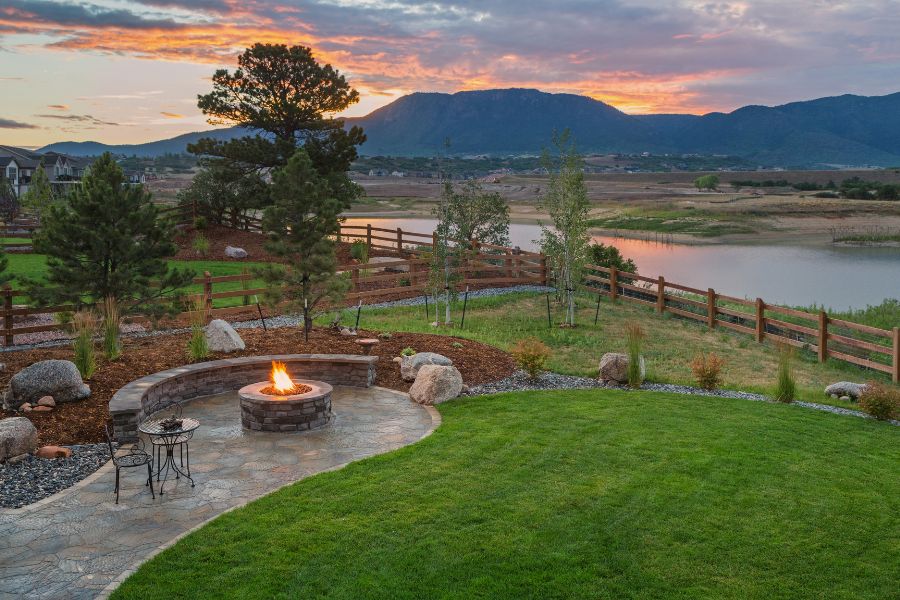
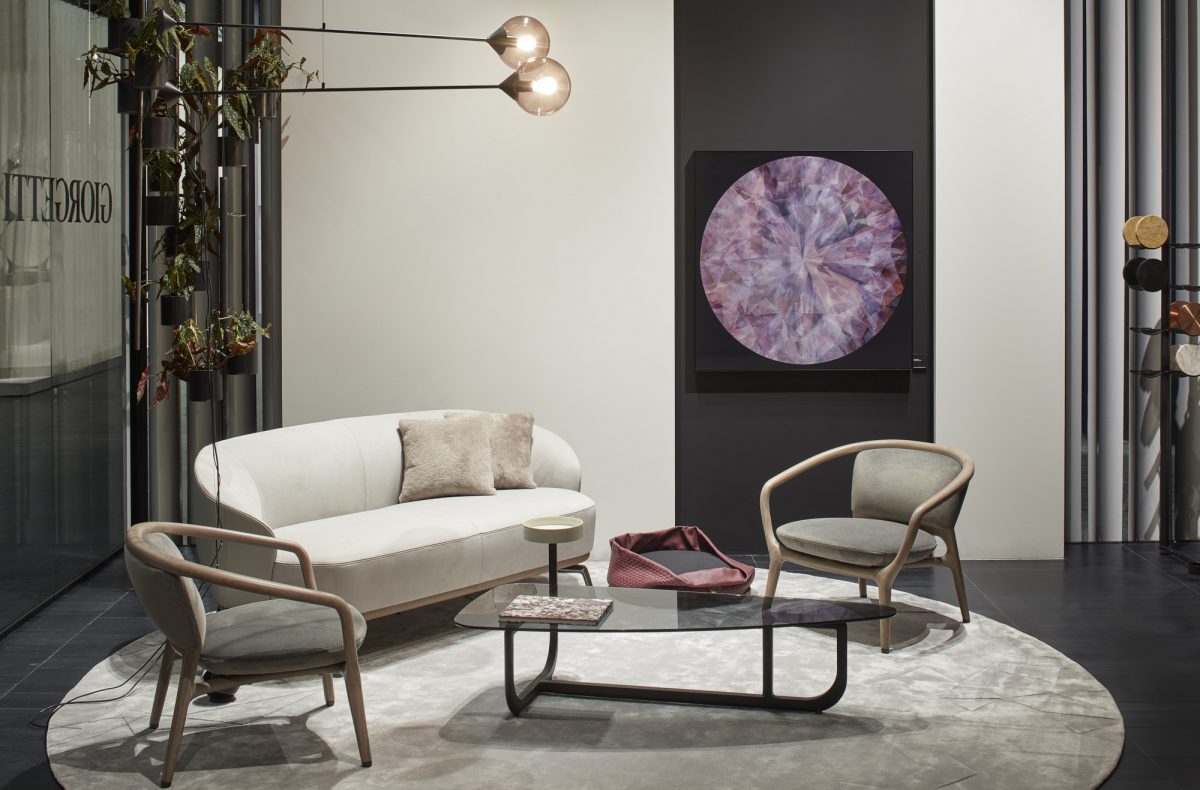
Keeping up with the latest design trends is difficult. This article discusses what architects and designers are using this year and the trends they are leaving behind. This can range from landscape design to furniture.
What’s in:
Integrated hardware – This shows a sleek, minimal, and seamless look.
Floral wallpaper – Can be used in the bedroom to upholster walls.
The eco-friendly fireplace is easy to install, and no ventilation is needed. You can also buy stand-alone pieces that can be fitted in any room for decoration.
Kitchen…

Brilliant DIY Crafts for Your Headboard
If you want to improve your bedroom’s appearance at a low cost, you can decide to make your own headboard. It allows you to unleash your creativity. There is a wide range of DIY headboards you can make. Here are some examples:
Minimalist Plywood Headboard: The Scandinavian design has a floating plywood headboard with customized shelves. You can add accessories to suit your personality.
Woven Headboard: It requires some level of expertise to make your space comfier.
Sleek upholstered Headboard: It is hung from decorative door knobs and is made from plywood, …

Hairpin Legs Ideas for All Furniture
Hairpin legs make memorable furniture due to their sleek and streamlined features. Furthermore, they go well with a variety of design styles. They can be used in accent chairs, side tables, candle holders, and credenzas. Below are some of the hairpin leg ideas you should consider:
Hairpin leg table – The style is mid-century and industrial and can be next to a sitting area.
Hairpin nightstand – Features soft geometric details and is set on top of brass hairpin legs.
Hairpin armchair – This can be upholstered to give it a modern look.
…
Chic Boho Items That Only Look Expensive
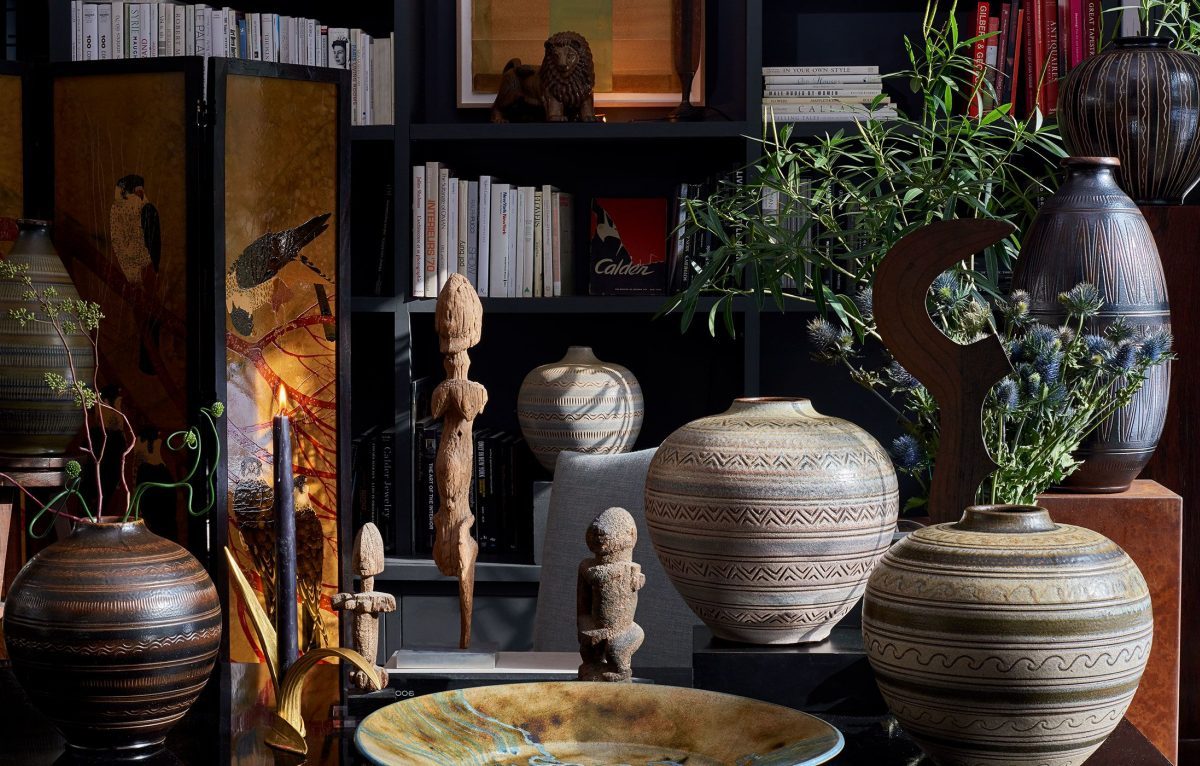
As much as you dream about traveling to far off places in your lifetime, you may not do so. However, you can do some armchair traveling instead. When you can’t get into a plane to visit your dream country, you can get chic items at Wal-Mart’s summer edition of décor. Some of the products are:
Dusty Pink Corduroy Tufted Square Floor Cushion by Better Homes and Gardens.
Your boho factor will increase if you add a few of these floor cushions to your living room. They can be pushed under a coffee table or bench when not in use and bring them to view when you have visitors.
Flower Home Watercolor Succulent 3-piece …

Best Chalk Paint Ideas
Chalk paint comes in different wonderful shades. Spaces can be changed with its use. Its thick consistency needs minimal preparation so it’s super easy to use. In addition, it dries quickly. Chalk paint can be used in the following creative ways:
Painting floors – Chalk paint can be used to create different effects on floors.
Painting dressers – You can use the color variety of chalk paint to paint rainbow colors on your dresser.
Piano make-over – Your piano can get a stylish makeover with chalk paint to match your room décor.
Ombre …

Personalize Your Home Office
Home offices have become a necessity nowadays. It’s hard to work in the living room due to nagging family members, household clutter, poor sitting posture, and noise. For occasional or daily work, the home office aids in limiting distractions and enhances creativity. Many companies in the world are promoting this—for example, Twitter and Facebook.
Being alone, you are likely not to focus on your work when working from home. To solve this, you should decorate your home office according to your aspirations, personal style, and passion.
The main advantage is that you can toy around with your chosen design. However, you are …